When Walls Become Collections: Rethinking Street Art as Civic Heritage Infrastructure
- Anna Stolyarova

- Apr 5
- 3 min read
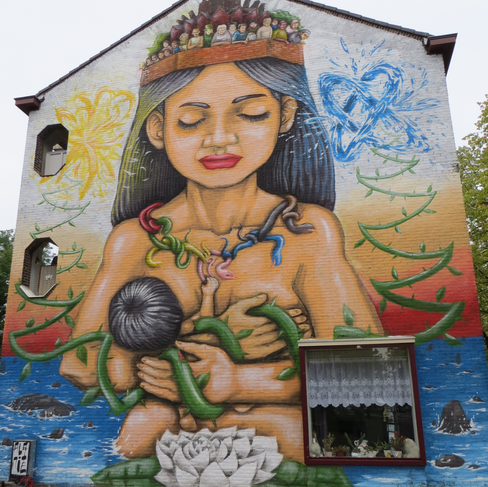
Street art has become one of the most visible cultural expressions of our time. From large-scale murals to small interventions tucked between streets, cities across Europe are filled with artworks that shape identity, tell stories, and reflect the communities that surround them. And yet—despite their presence—most of these works remain structurally invisible.
They are photographed, shared, liked, and sometimes mapped. But rarely are they managed, preserved, or understood as part of a system.
This is where a fundamental shift is beginning.

From Murals to Memory
Recent developments across Europe point to a growing recognition of street art as cultural heritage.
In the United Kingdom, national initiatives have begun digitising thousands of murals, bringing them into public databases and making them accessible at scale. These efforts signal something important:
Street art is no longer seen as temporary decoration. It is increasingly recognised as part of a collective cultural memory.
But there is a problem. Most initiatives stop at documentation. They answer the question: What exists? But not: What happens next?
The Missing Layer: Governance
Street art exists in a paradox:
It is public, but not institutionally structured
It is valuable, but rarely formally recognised
It is everywhere, but not systematically managed
Cities are, in effect, already holding vast street art collections—without the tools to treat them as such. What is missing is not technology. It is methodology.
Who is responsible for an artwork once it is created?
What happens when a building is demolished?
How do we balance artistic intent with urban development?
How do we preserve works that are meant to disappear?
Without answers to these questions, street art risks remaining visible, but not sustainable.


Introducing the Digital Street Art Depot (DSAD)
The Digital Street Art Depot (DSAD) was developed to address exactly this gap.
It is not a gallery. It is not just an archive.
It is a hybrid system that combines:
A collection management database
A participatory archive
A civic heritage tool
At its core, DSAD treats street art as what it already is:
👉 A distributed, city-wide collection
👉 A living archive of urban transformation
👉 A shared cultural resource



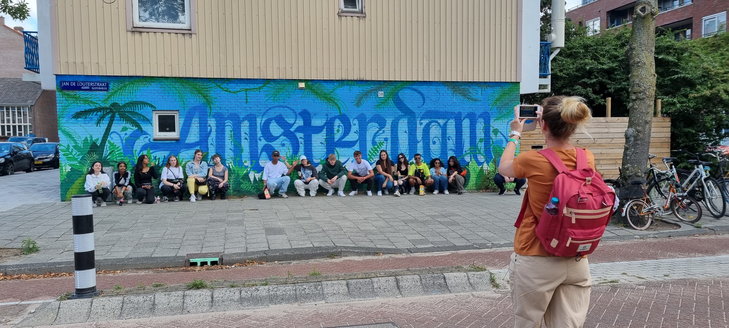


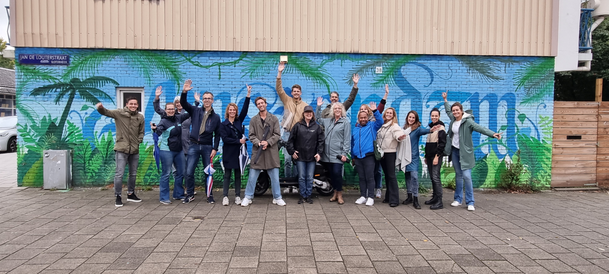

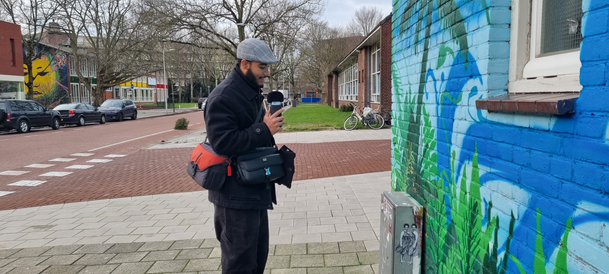


Beyond Mapping: A New Type of Infrastructure
Platforms like Street Art Cities and Spotteron have played an important role in making street art visible. They allow users to discover, map and share artworks across cities. But DSAD operates differently. Where mapping platforms focus on visibility, DSAD focuses on responsibility.
It introduces:
Heritage valuation criteria aligned with Dutch and European frameworks
Lifecycle documentation, including disappearance and transformation
Custodial agreements between artists and institutions
Municipal protocols for managing change and redevelopment
In doing so, DSAD moves street art from being a collection of points on a map to a managed cultural system.

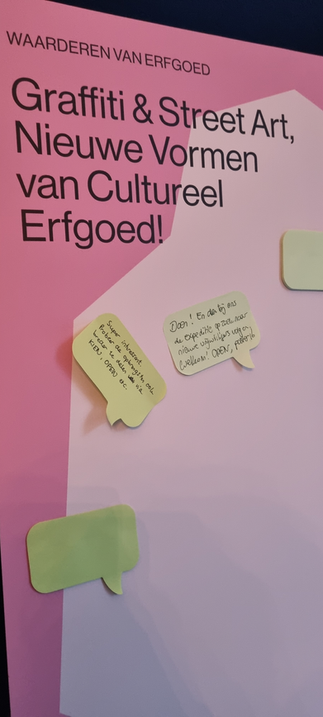














A Living Archive, Not a Static Record
Street art is, by nature, ephemeral. Walls change. Cities evolve. Artworks disappear. Residents move away. Rather than resisting this, DSAD embraces it. The platform captures not just the artwork, but its life cycle, through:
Archival documentation
Community-generated stories
Immersive technologies such as 3D scans and VR
What emerges is not a static archive, but a living archive—one that reflects time, change and memory.
From Artists to Ecosystems
One of the most important innovations of DSAD is its shift in perspective. Street art is not just created by artists. It exists within a network of stakeholders:
Artists
Residents
Municipalities
Property owners
Cultural organisations
DSAD connects these actors through:
Shared agreements
Clear roles and responsibilities
Structured collaboration
This transforms street art from an individual act into a collective civic process.



Why This Matters for Cities
Cities today face increasing pressure to:
Strengthen cultural identity
Foster participation and inclusion
Navigate large-scale urban transformation
Street art already contributes to all of these goals. But without structure, its potential remains underused. By introducing a system like DSAD, cities can:
Recognise street art as part of their cultural infrastructure
Preserve works before they are lost
Integrate art into urban development processes
Activate public space through meaningful engagement
In short, cities move from reacting to street art to working with it.










Towards a Shared Urban Memory
What DSAD ultimately proposes is a shift in how we think about heritage.
Not as something fixed and protected.But as something dynamic, participatory, and evolving.
Street art becomes:
A carrier of social memory
A tool for civic dialogue
A record of urban change
And most importantly: A way for cities to remember themselves.







Conclusion: From Visibility to Responsibility
Street art is already everywhere.
The question is no longer whether it matters.
The question is:
Are we ready to take responsibility for it?
The Digital Street Art Depot offers one possible answer—a move from documentation to stewardship,from fragmentation to systems,from temporary walls to lasting memory.